
Chevalier, Tracy: *1962
Girl with a Pearl Earring, 1999 - Before Reading
- Before you read the book, it helps to understand a few key ideas and historical contexts that will make the story richer and easier to follow.
- 1. The Painting Behind the Story
The novel is inspired by the famous painting Girl with a Pearl Earring by Johannes Vermeer.
- Painted around 1665 during the Dutch Golden Age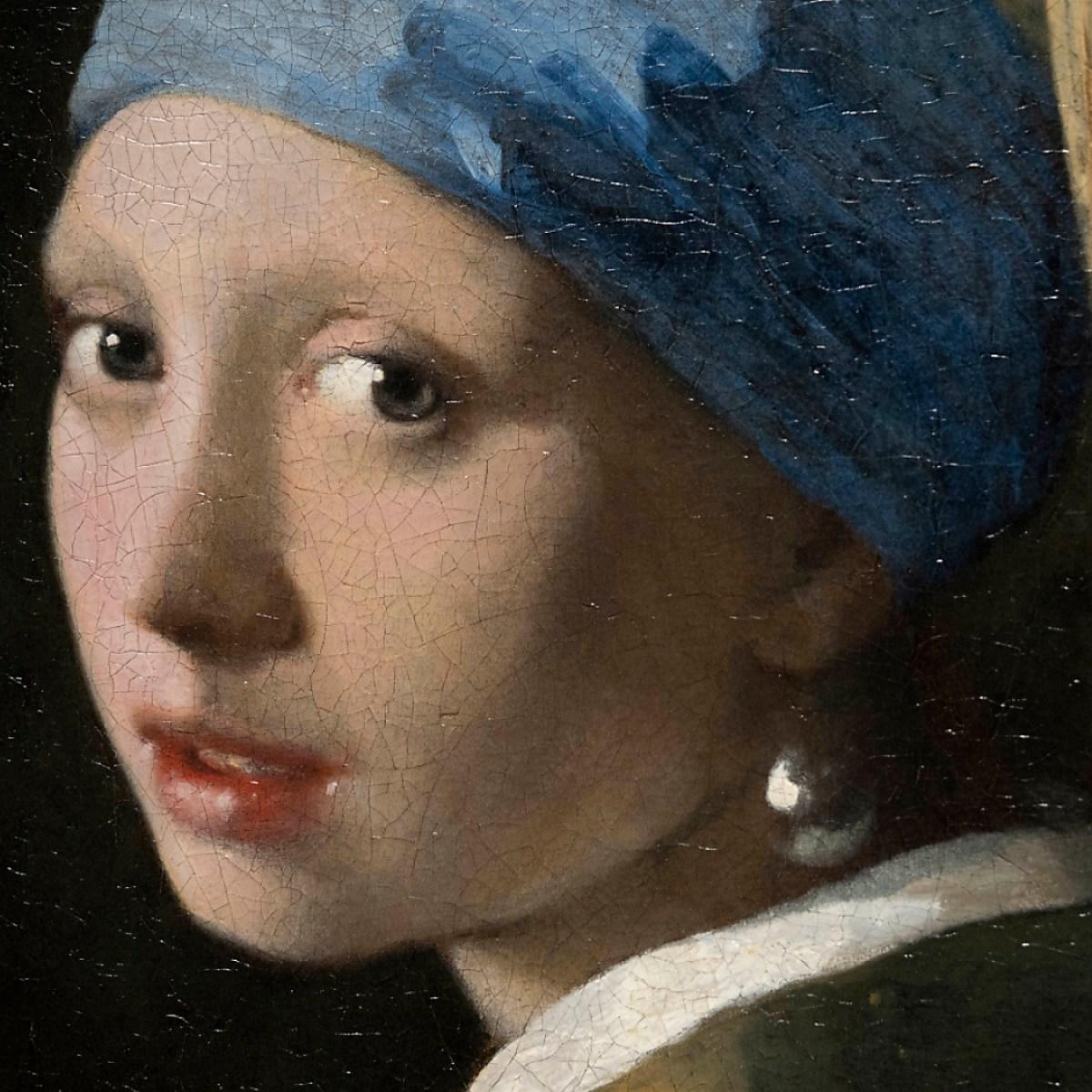
- Often called the “Mona Lisa of the North”
- The real girl’s identity is unknown — the novel imagines who she might have been. - 2. Historical Setting: Dutch Golden Age
The story takes place in 17th-century Delft.
- A time of wealth, trade, and artistic growth in the Netherlands
- Society was highly structured, with strict class divisions and gender roles
- Religion (Protestant vs. Catholic) influenced daily life and relationships - 3. Social Class & Servitude
The main character, Griet, is a maid in a wealthy household.
- Servants had little power and had to follow strict rules
- Crossing class boundaries, whether emotionally or socially, was risky
- Much of the tension in the novel comes from these social limits - 4. Art and Observation
Art isn’t just background—it’s central to the story.
- Vermeer’s work focuses on light, color, and quiet domestic scenes
- Griet has a special sensitivity to color and composition
- The novel explores how art is created and who gets to participate in it - 5. Themes to Watch For
As you read, pay attention to:
- Silence & unspoken emotions (a lot is implied, not said)
- Power dynamics (artist vs. subject, master vs. servant)
- Identity & visibility (who is seen, who is ignored)
- Desire vs. duty - 6. Tone & Style
The writing is quiet, subtle, and atmospheric.
It’s not plot-heavy—the focus is on mood, detail, and Griet's inner thoughts
Small moments carry big meaning
- Here is an example:
Mixing Paints in Vermeer’s Studio
When Griet is first asked to help Johannes Vermeer mix paints, it seems like a small, practical task.
What happens (on the surface):
She carefully grinds pigments and notices how colors interact
She suggests separating colors in a way that improves clarity (like keeping vegetables apart earlier in the kitchen scene—the same idea)
Why it matters (the deeper meaning):
Griet's intelligence becomes clear — she sees the world like an artist
A connection begins to form between Griet and Vermeer — he recognizes something special in her
Power boundaries begin to blur — a servant is stepping into the artist’s creative space
Foreshadowing — this moment leads to her becoming his assistant and eventually his subject
Why this is a “small moment”
Nothing dramatic happens—no big conflict, no emotional confession.
But it quietly changes Griet’s role, deepens the relationship, and sets the entire story in motion.
- 1. The Painting Behind the Story