
Morrison, Toni: 1931 - 2019
The Bluest Eye, 1970 - Before Reading (AI Created)
- Before reading the book it helps to know that the novel is emotionally intense, structurally unusual, and deeply connected to race, beauty, trauma, and childhood in the United States during the 1940s.
- What the novel is about
The story centers on Pecola Breedlove, a young Black girl in Ohio who believes she would be loved and accepted if she had blue eyes. Morrison uses Pecola’s story to examine how racism shapes self-image, family life, and community relationships.
The novel is not just about one child’s suffering. It is also about:
- how standards of beauty are created,
- how children absorb social prejudice,
- and how communities can pass pain from one generation to another. - 1. The title matters: “Bluest Eye”
The title refers to the idea that blue eyes represent ideal beauty in white American culture.
Example
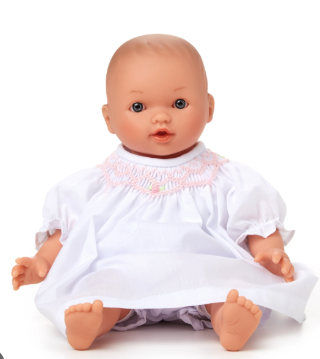
Pecola admires white dolls and child stars because society teaches her that whiteness equals beauty and goodness. She begins to believe:
- white girls are lovable,
- Blackness is ugly,
- and therefore she herself is unworthy.
This belief is not presented as “natural.” Morrison shows it as something taught by media, schools, advertising, and social behavior.
Why this matters
The novel asks:
- What happens when a child internalizes society’s hatred? - 2. Beauty standards are political in the novel
Morrison critiques how beauty standards exclude Black features.
Example
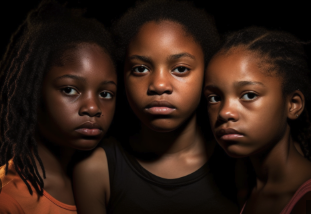
Characters praise Shirley Temple and white baby dolls while ignoring or mocking Black children’s appearances.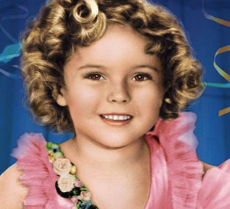
Important idea
The novel argues that beauty standards are tied to power:
- who gets seen,
- who gets protected,
- and who gets considered human. - 3. The book uses multiple narrators and fragmented structure
The story is not told in a simple straight line.
You’ll notice:
- shifting perspectives,
- memories,
- seasonal sections (“Autumn,” “Winter,” etc.),
- and passages that sound almost poetic.
Example
One chapter may focus on Claudia’s childhood memories, while another suddenly moves into the history of Pecola’s parents.
Why Morrison does this
She wants readers to understand:
- not only what happened,
- but why it happened.
Trauma in the novel is social and historical, not just individual. - 4. Claudia is important as a contrast to Pecola
Claudia MacTeer, one of the narrators, reacts differently to white beauty ideals.
Example
Instead of worshipping white dolls, Claudia tears them apart because she resents being told they are beautiful.
This contrast matters because:
- Pecola internalizes racist standards,
- Claudia questions them.
Morrison shows that people respond differently to oppression. - 5. The novel contains difficult and disturbing material
Important content warnings:
- racism,
- child abuse,
- incest,
- sexual violence,
- domestic violence,
- neglect,
- emotional trauma.
These elements are central to the novel’s critique of society, not included for shock value.
Reading tip
Many scenes are emotionally indirect or symbolic. Morrison often avoids sensational language, which can make painful moments feel even heavier. - 6. The setting: Black life during the Great Depression
The novel takes place in Lorain, Ohio, in the early 1940s.
Understanding the historical context helps:
- segregation shaped housing, education, and employment,
- Black families faced economic hardship,
- and white cultural dominance affected everyday life.
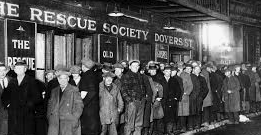
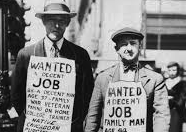
The North was not free from racism. - 7. Morrison’s language is literary and symbolic
This is not a fast-paced plot-driven novel. Morrison writes with:
- symbolism,
- repetition,
- biblical echoes,
- lyrical imagery,
- and emotional layering.
Example symbols
- Blue eyes → impossible acceptance and beauty
- Marigolds → innocence and failed growth
- Seasons → emotional and social cycles
You may need to slow down and reread passages. - 8. The novel critiques communities, not just individuals
A major idea in the book is that suffering can become normalized.
Example
Some characters who are themselves harmed still participate in humiliating or rejecting Pecola.
Morrison avoids simple “good vs. bad” morality. Instead, she explores:
- complicity,
- survival,
- shame,
- and inherited pain. - 9. Why the novel is historically important
The Bluest Eye was Morrison’s first novel, published in 1970, and it later became one of the most studied works in American literature.
It is especially important for:
- Black feminist literature,
- studies of race and identity,
- trauma narratives,
- and critiques of beauty culture.
It has also frequently appeared on banned-book lists because of its difficult themes. - 10. A useful mindset while reading
Instead of asking:
- “Why do characters make bad choices?”
it often helps to ask:
- “What social forces shaped these choices?”
Morrison constantly connects personal suffering to larger systems:
- racism,
- class,
- gender expectations,
- and cultural conditioning.
That shift in perspective makes the novel much richer and more devastating.
- What the novel is about